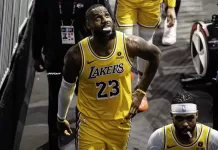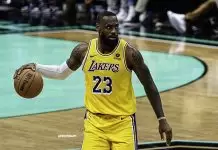

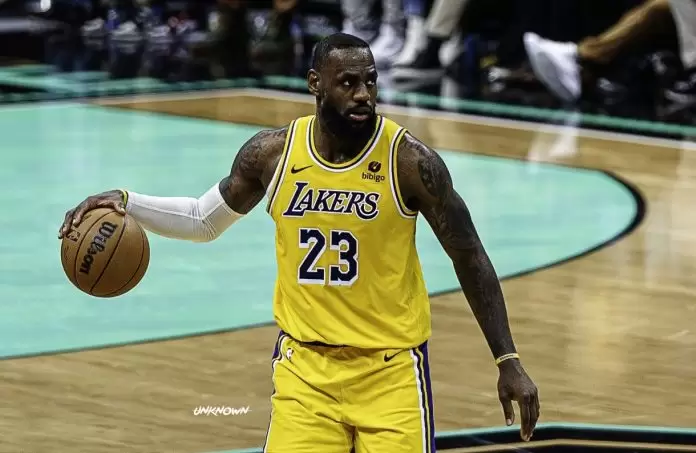
Rich Paul credited LeBron James with helping change how NBA players approach their careers, arguing that the superstar’s decision to leave the Cleveland Cavaliers in 2010 helped trigger a shift in the league’s approach to player movement.
Speaking with Max Kellerman on the Game Over podcast, Paul discussed how earlier generations of stars, including Michael Jordan, Scottie Pippen, Magic Johnson and Larry Bird, largely remained with their original teams.
He challenged the idea that moving between franchises was necessarily more difficult in the past, suggesting that players were often influenced by expectations about loyalty and how careers were supposed to unfold.
“There was a thought that the athlete had to do something the way somebody else did it for whatever reason, and that was never the case,” Paul said.
The agent described player empowerment as a matter of strategy and business rather than a departure from how professional athletes should behave. He agreed that James helped change the way things were done, particularly by demonstrating that a superstar could make a major career decision rather than leave the direction of his career entirely in the hands of a franchise.
Paul and Kellerman also debated whether James’ decision to leave Cleveland for the Miami Heat in 2010 helped create the modern player-empowerment era. Paul suggested it had a domino effect, changing how players viewed their ability to influence their careers and challenge the traditional expectation of remaining with one franchise.
The conversation also highlighted how earlier stars exercised influence in different ways. Paul pointed to Shaquille O’Neal and Kareem Abdul-Jabbar as examples of players who changed teams, while Kellerman noted that franchises such as the Chicago Bulls and Los Angeles Lakers had strong incentives to keep Jordan and Johnson by building competitive teams around them.
Paul’s argument was that a franchise’s commitment to retaining a superstar did not necessarily mean the player lacked the ability to choose another destination when the opportunity arose. Instead, he said, the league’s culture had encouraged athletes to follow established examples rather than make decisions based on their own circumstances.
James’ career illustrates that shift. After seven seasons in Cleveland, he announced his move to Miami in 2010, joining Dwyane Wade and Chris Bosh. He returned to Cleveland in 2014 and led the Cavaliers to the franchise’s first NBA championship in 2016 before leaving for the Lakers in 2018. In 2026, he joined the Philadelphia 76ers, continuing a career in which he has chosen his destination as a veteran free agent.
James averaged 26.8 points, 7.5 rebounds and 7.4 assists over his first 1,625 regular-season games.